
Wind & Solar Controllers
Wire a Turbine Straight Onto a Battery Bank and you Either Cook the Batteries or Lose the Turbine in a Gale.



Mars Wind & Solar Hybrid MPPT Controller, LiFePO4, Wi-Fi & Colour Display
+8Regular priceFrom $450.00 AUDUnit Price


Wind & Solar Hybrid Controller with Dump Load, 12/24V or 24/48V Auto
Regular priceFrom $360.00 AUDUnit Price


MPPT Hybrid Controller Wind & Solar 1kW 2kW 3kW & Dump Load Resistor
Regular priceFrom $439.00 AUDUnit Price


WCMD Pure-Wind MPPT Wind Charge Controller with Dump Load
Regular priceFrom $415.00 AUDUnit Price


Hybrid MPPT Wind & Solar Controller 12V-48V, Bluetooth
Regular priceFrom $367.00 AUDUnit Price


WW Series Pure-Wind MPPT Wind Turbine Controller - 1 kW to 5 kW @48 V
Regular priceFrom $920.00 AUDUnit Price


Wi-Fi Weather Station with Anemometer, Rain Gauge & Solar Sensor
Regular price $420.00 AUDUnit Price


Pure Sine Wave Inverter 3000W 4000W 5000W Peak - 12V or 24V
Regular priceFrom $499.95 AUDUnit Price


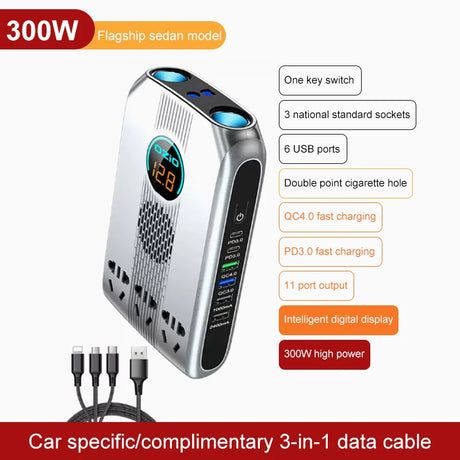
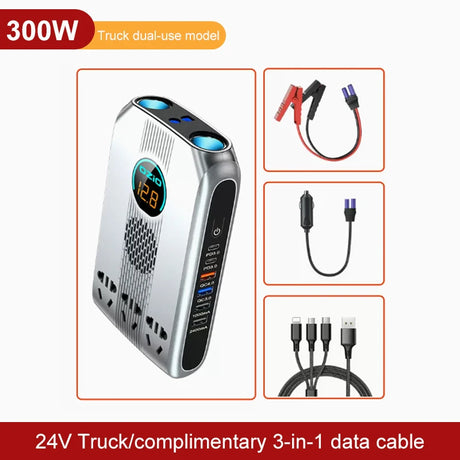
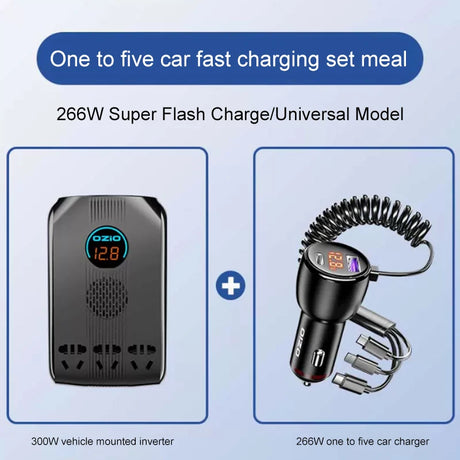
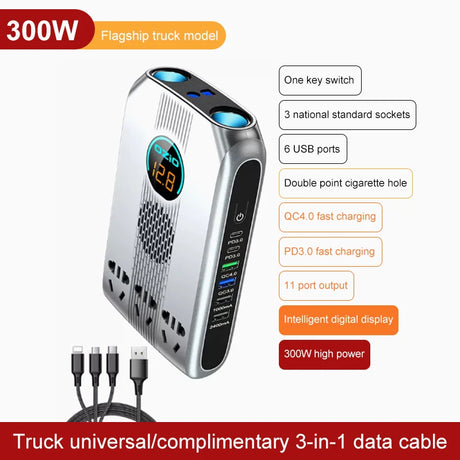
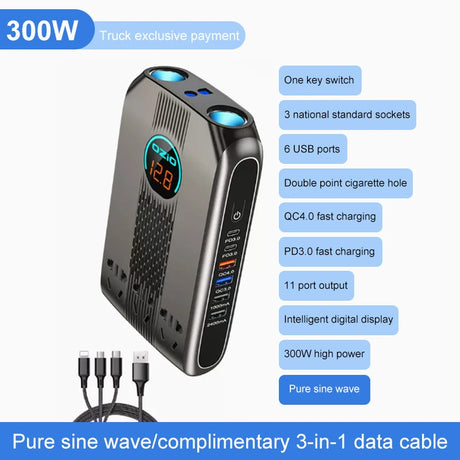
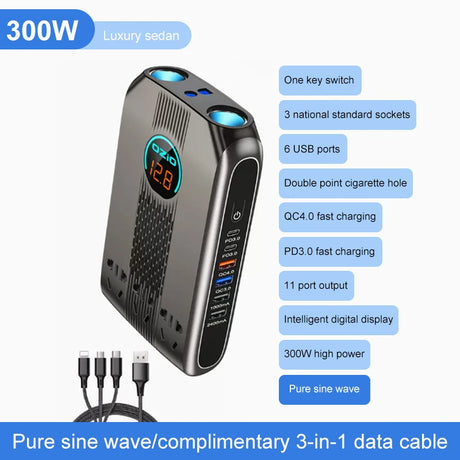
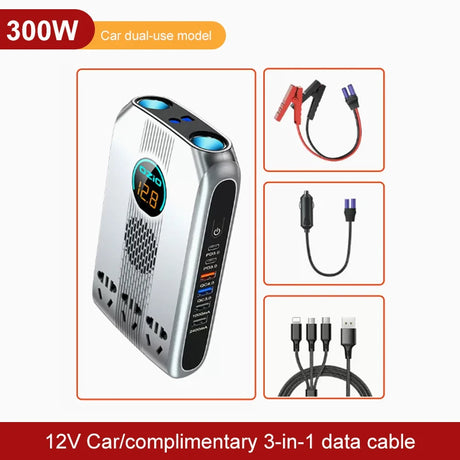
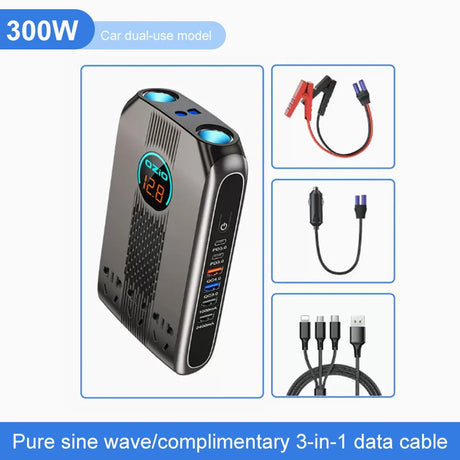
300W Car Power Inverter Adaptor Multifunctional 12/24V
Regular priceFrom $116.95 AUDUnit Price


48V to 12V Voltage Reducer DC-DC Step-Down Converter
Regular priceFrom $60.00 AUDUnit Price


Goes Well with


Battery Isolator Switch 300A 12V-48V DC Rotary Disconnect
Switches off a 12–48 V DC battery bank. A switch, not a breaker.
Regular price $67.00 AUDUnit Price


48V DC 400A Power Bus Bar M8 & M10 Set
Positive and negative 48 V DC bus bars, M8 or M10 studs.
Regular price $130.00 AUDUnit Price


Pure Copper Electrical Terminal Connectors
Copper SC ring lugs, SC4 to SC50.
Regular priceFrom $20.00 AUDUnit Price


What a Hybrid Controller Does
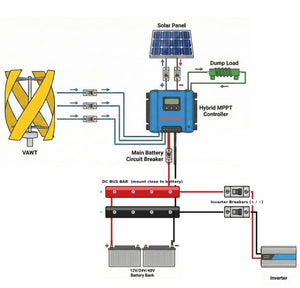
It sits between the turbine, the panels and the bank, limits what the batteries are fed, and sheds the surplus into a dump load. A hybrid unit takes wind and solar into the one box, so the two sources are not fighting over the same battery.
Which One Suits your Build
| If you're Running | Pick | Why |
|---|---|---|
| 12V, 24V or 48V Bank | Auto-Sensing Hybrid MPPT | One Unit Covers All Three |
| Turbine & Panels Together | Wind & Solar Hybrid | Both Inputs, One Box |
| A Turbine on an Exposed Site | Controller with Dump Load | Brakes it When the Bank is Full |
| 240V Appliances Off the Bank | Off-Grid Hybrid Inverter | A Controller Never Makes 240V |
What These will Not Do
- Not Make More Wind: what you actually harvest depends on your own site, not on the controller.
- Not Size your System: cable, fusing and battery capacity come down to your run length and load.
- Not a Licensed Install: anything tying into a dwelling is an electrician's job.
What Else you'll Need
Wind turbines feed it, bus bars, breakers and Anderson plugs connect it safely, and solar panels cover the still days.
Free Standard Delivery on most of our range. Allow 5 to 10 working days from the date of your order. Allow 1–2 days for fulfilment.
Wind Turbine FAQ
-
- Start with two questions: how much wind your site actually gets, and how much room you have.
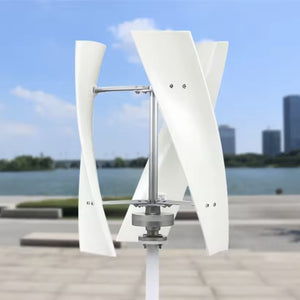
- Vertical turbines (the X-300, H1000 and H2000) start turning at 2 to 2.5 m/s and take wind from any direction, so they keep working where the wind swirls and shifts — around buildings, trees and rooflines. They run from 300 W up to 2000 W.
- Horizontal turbines (M-400, M-600, M-800, and the L1, L2 and G series) want cleaner, steadier wind and a clear run at it. In clean, steady wind a horizontal of the same rating is usually the better harvester, and they scale further — 400 W up to 5000 W.
- Match the turbine to your battery bank, not to the biggest number. 12 V suits a camper, 4WD or tinnie; 24 V a van, cabin or boat; 48 V a shed or remote block.
- The largest models run at mains voltage, and the L2-3000, G-3000 and G-5000 are ground-mount only — they need a 10–15 m mast and are not rooftop units.
- Rated power is measured at 10–14 m/s, depending on the model. What you get at your place depends on your wind, your mast height and the season — not on a number on our website.
-
- No. Wind turbines generate "wild" 3-phase AC power that changes voltage constantly with the wind speed.
- Connecting it directly to a battery or a standard solar inverter will destroy your equipment.
- You must wire the turbine into a dedicated wind charge controller (pure-wind or wind-solar hybrid) with a dump-load resistor.
- The controller converts the power to stable DC to charge your batteries safely.
-
Match the turbine and its controller to the voltage of your existing battery bank:
- 12 V: compact mobile setups — caravans, 4WDs and camper trailers.
- 24 V: medium setups — off-grid sheds, cabins and motorhomes.
- 48 V: most of this range, and the sensible choice for a full off-grid system. Higher voltage means less current in the cable, so less loss over a long run and lighter cable.
-
- When your battery bank is fully charged it stops accepting power.
- If a storm hits at night with the batteries full, a turbine with nowhere to send its power will free-spin out of control and can physically fly apart.
- The controller prevents that by diverting the excess into the dump load resistor, which burns it off safely as heat and acts as an electronic brake to slow the turbine down.
- Yes, you need one.
-
- Usually quieter, but not silent — no turbine is.
- Why a Horizontal is Louder: its blade tips travel several times faster than the wind, and blade noise climbs steeply with tip speed. The whoosh rises and falls as each blade comes round — a rhythmic swish that carries through wind noise more than a steady hiss does.
- Why a Vertical is Usually Quieter: its blades turn more slowly, so there is less of that whoosh.
- What we won't Tell you: that it's silent. Every turbine gets louder as the wind picks up. The wind often covers much of it in a strong blow, but a close neighbour can still hear one in light to moderate wind.
- The manufacturer publishes no noise figure for the turbines themselves (the "65 dB or less" on some Specs tabs is the controller's), so we don't quote one.
- On a building, use vibration isolators — a turbine bolted to a structure carries its sound into the rooms — and check your council's rules on noise, height and placement before you order a mast.
-
- It will turn, but turning is not charging. The blades start turning at 2 to 2.5 m/s (about 7 to 9 km/h) — a light breeze.
- Charging starts at the cut-in speed: 3 m/s (about 11 km/h) on every model except the X-300, which starts and charges from 2 m/s. Output then climbs steeply with wind speed.
- The rated figure is measured much higher — 10 to 14 m/s depending on the model, a 36 to 50 km/h wind, not a normal afternoon. Each product page's spec table gives that model's own numbers.
- A gentle breeze keeps the turbine ticking over; it takes real wind to push real power into your batteries. Every horizontal model has its measured power curve published on its product page — work from that, not from the number in the product name.
-
It is almost always one of three installation issues. Check them in order.
Quick Checks — Tick as You Go
- Is the Meter Set to AC Volts (V~)?
- Does it Spin Freely Once Disconnected from the Controller?
- Is the Cable from the Mast Heavy Enough for the Run?
1. The Multimeter is Set to DC — The Most Common Mistake.
- Measuring the three turbine wires with the meter set to DC volts gives a false reading near zero.
- Wind turbines generate 3-phase AC directly from the stator. Switch the meter to AC volts (V~).
2. The Turbine is Stalling Because of a Short.
- The blades turn heavily and slowly, or lock up: if any of the three AC output wires touch each other, or the controller's braking diodes have short-circuited, it acts as a magnetic brake — the turbine can never spin fast enough to build voltage.
- Disconnect the turbine from the controller. If it frees up and spins much faster, the problem is a short in the wiring or a faulty controller.
3. Voltage Drop from Thin Cable.
- Thin solar or automotive cable over 20 metres or more loses the power as heat before it reaches the controller.
- Use heavy cable between the mast and the controller on long runs — minimum 8 AWG, ideally 6 AWG. Final sizing is your electrician's call.
-
- This turbine generates 3-phase AC power and cannot be connected directly to a battery, a solar controller or a home inverter.
- It must run through a dedicated wind charge controller (pure-wind or wind-solar hybrid) with a dump-load resistor. The dump load stops the turbine over-speeding and destroying itself in high winds once your batteries are full.
- Installation and commissioning must be carried out by a suitably qualified and licensed electrician.
- Cable, breakers, isolators and all protective devices are selected to suit your site and are the electrician's call, not ours.
-
- The number in the name is a peak rating, not a promise.
- A turbine's rated output is measured at a specific wind speed — 10 to 14 m/s depending on the model, which is about 36 to 50 km/h — and most sites see far less than that most of the time.
- Your display shows what the wind is delivering right now, so it will sit well below the rated figure and move second by second as the wind changes. That is physics, not a fault.
- As an example, the L2-2500 is rated 2,500 W at 11 m/s. On a decent steady coastal breeze of 7 m/s the manufacturer's own curve gives about 813 W. That is why we publish the full power curve on every horizontal turbine's product page.
- Where these machines earn their keep is time: they keep charging through the night and through the weather that shuts solar down.
- If the display shows 0 W while the blades are spinning, that is a different problem — see the 0 W question.
-
- Yes — connect the turbine to a battery bank first, through a dedicated charge controller.
- Never straight to an inverter. Connecting a wind turbine directly to a standard inverter will damage the equipment or cause the system to fail.
The Correct Order:
- 1. Wind Turbine — generates wild, fluctuating 3-phase AC as the wind changes.
- 2. Hybrid or Wind Charge Controller — converts it to steady DC, and protects the turbine from over-speeding with an electronic brake.
- 3. Battery Bank (12 V, 24 V or 48 V) — absorbs the gusts and provides a steady source of energy.
- 4. Off-Grid Inverter — connects to the battery, converting stored DC into AC for your appliances.
Why you Cannot Skip the Battery:
- Unstable Voltage: wind changes second by second. Without a battery to smooth it out, a direct-connected inverter would constantly cut out.
- Turbine Damage: when a battery is full or disconnected, the turbine loses its load. Without that resistance the blades can spin out of control in high wind and destroy the unit. The controller uses the battery connection to dump excess power and slow it down.