
Solar Power
The Battery Goes Flat on Day Three and the Nearest Power Point is Two Hundred Kilometres Back Down the Track.



PV Solar Photovoltaic Disconnect Switch Isolator
Regular priceFrom $79.00 AUDUnit Price


Solar Photovoltaic PV Combiner Box with Lightning Protection 2 in 1 Out
Regular price $149.99 AUDUnit Price


Solar Power Bank 20000mAh | Rugged USB-C Charger & Torch
Regular price $99.00 AUDUnit Price


Solar 12000mAh Emergency Radio Charger AM/FM Hand Crank
Regular price $135.00 AUDUnit Price


Folding Solar Panel Bag 40W or 60W with USB & DC Output
Regular priceFrom $145.95 AUDUnit Price


What This Gear Does
Two jobs, really: topping a battery bank up from a folding panel, and keeping small gear alive from a power bank. The isolators and combiner boxes are what make a fixed array safe to work on.
Which One Suits you
| If you're | Pick | Why |
|---|---|---|
| Walking in with a Phone & GPS | A Solar Power Bank | Charges by USB, Tops Up by Sun |
| Topping Up a Camper Battery | A Folding Panel | Packs Flat, Sets Up Anywhere |
| Wiring a Fixed Array | Isolator & Combiner Box | Lets you Kill it Safely |
| Running 240V Off the Bank | An Off-Grid Hybrid Inverter | Panels Charge, Inverters Convert |
What it won't Do
- No Yield Promises: what a panel gives you depends on your sun, your angle and the season, not on our website.
- The Built-in Panel is a Top-Up: on a solar power bank it's the backstop, not the fast way. Plug it in when you can.
- Not a House System: this range charges batteries and small gear. It will not run a home.
What Else you'll Need
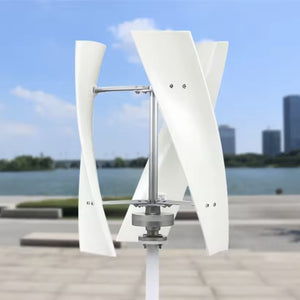
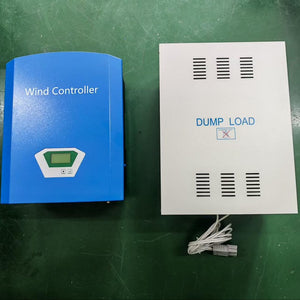
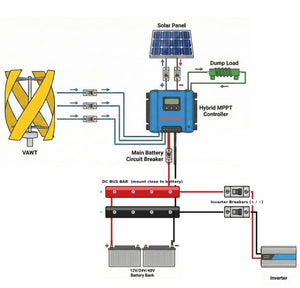
Solar on its own is half a system. Add a hybrid controller to manage the charge, cable, breakers and bus bars to carry it, or a wind turbine for the still, grey stretches.
Free Standard Delivery on most of our range. Allow 5 to 10 working days from the date of your order. Allow 1–2 days for fulfilment.